
language

NEWS
Understanding Full Container Sea Freight from China to the US: A Comprehensive Guide
Release time:
2026-11-20
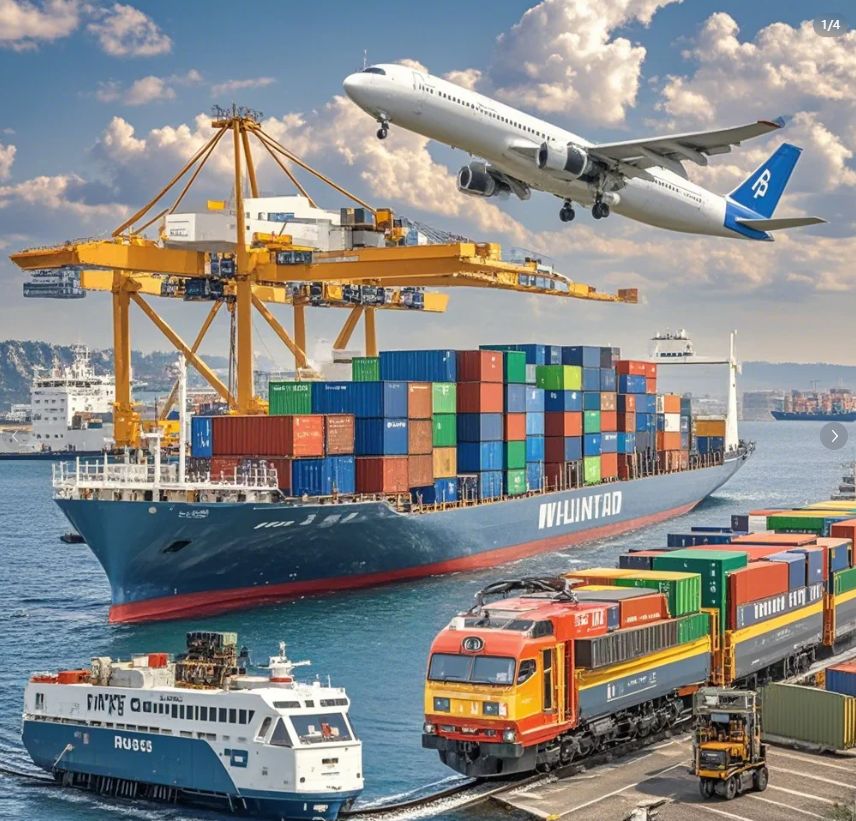
Full container sea freight from China to the US is a crucial component of global trade, enabling manufacturers and retailers to transport large volumes of goods efficiently and cost-effectively. A full container load (FCL) typically refers to a shipping container that is filled to its capacity with goods from a single shipper. Understanding how this process works can significantly benefit businesses looking to navigate the complexities of international shipping.
One of the primary advantages of using full container sea freight is the cost-effectiveness it offers. Shipping a full container allows businesses to take advantage of lower per-unit shipping costs compared to less-than-container load (LCL) options, where goods from multiple shippers are consolidated into one container. This advantage becomes increasingly significant as shipping volumes rise, making FCL an attractive choice for larger shipments.
When considering full container sea freight from China to the US, several key factors come into play. First and foremost is the choice of the shipping route. The most common routes include the Pacific Ocean, with major ports like Los Angeles and Long Beach on the US West Coast being popular destinations. The choice of port can impact shipping times, costs, and customs procedures, making it essential for businesses to choose wisely based on their specific needs.
Additionally, proper documentation and compliance with customs regulations are critical aspects of the process. Importers must be aware of the necessary paperwork, including the bill of lading, commercial invoice, and customs declaration, to ensure smooth clearance at the destination port. Partnering with a reliable logistics service provider can help streamline this process and minimize potential delays.
Another important consideration is the shipping timeline. Typically, full container sea freight from China to the US takes about 15 to 30 days, depending on the port of origin and destination, as well as weather conditions and other factors. Businesses should plan their shipping schedules accordingly to avoid stock shortages or delays in fulfilling customer orders.
Moreover, understanding the implications of fluctuating shipping rates is vital for businesses engaged in full container sea freight. Rates can vary based on demand, fuel prices, and geopolitical factors. Keeping an eye on market trends will enable businesses to make informed decisions about when to ship and how to negotiate better rates with shipping providers.
In conclusion, full container sea freight from China to the US offers an efficient and cost-effective solution for businesses looking to import goods. By understanding the logistics involved, including route selection, documentation, and shipping timelines, companies can optimize their supply chain operations and ensure a smoother shipping experience. As global trade continues to evolve, staying informed about shipping practices will be key to maintaining a competitive edge in the marketplace.
RELATED BLOG
Understanding Full Container Sea Freight from China to the US: A Comprehensive Guide
Full container sea freight from China to the US is a crucial component of global trade, enabling manufacturers and retailers to transport large volumes of goods efficiently and cost-effectively. A full container load (FCL) typically refers to a shipping container that is filled to its capacity with goods from a single shipper. Understanding how this process works can significantly benefit business
View Details


